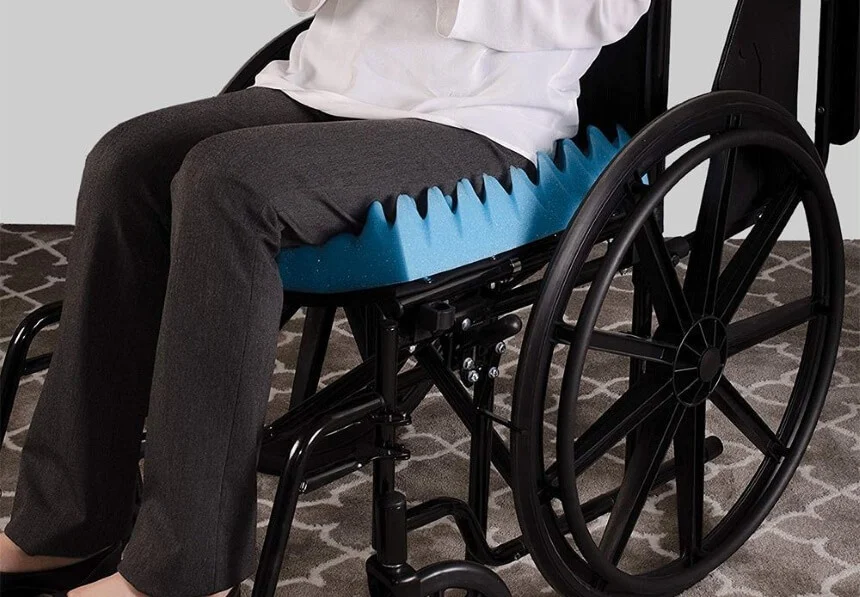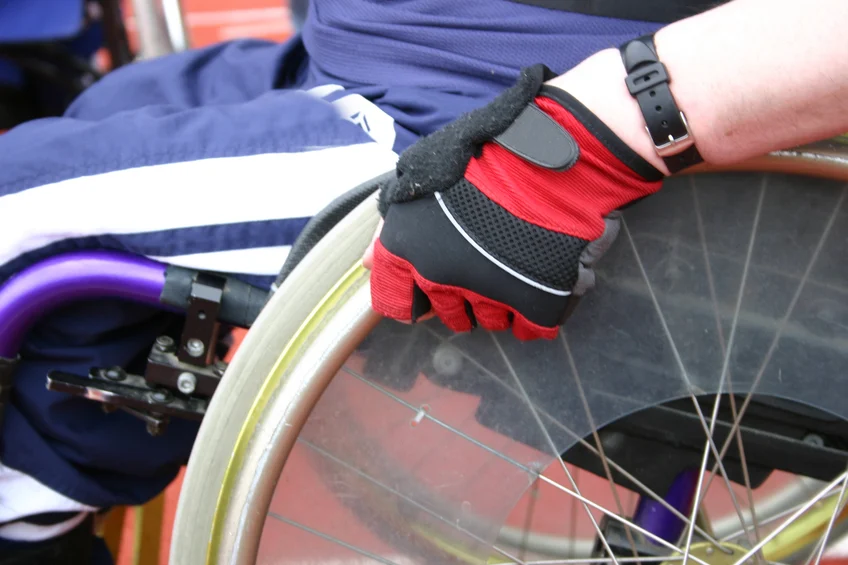

For most homes, the best flooring for a wheelchair is a firm, stable surface with enough grip to avoid unnecessary slipping and little resistance at the casters and drive wheels. Vinyl, properly finished wood, rubber and some cork floors can all work well. The right choice depends on the chair, the room and how the floor is installed; our wheelchair guide explains why manual, transport and powered chairs place different demands on the home.
A material name by itself does not make a floor accessible. Seams, thresholds, loose edges, deep cushioning and abrupt level changes can matter as much as the surface under the wheels. For readers checking the rest of the route through a house, wheelchair width and doorway clearance should be considered alongside the flooring.
By Ray Butcher, Senior Fitness Editor
SeniorFitness is reader-supported. We may earn a commission through products purchased using links on this page. Learn more about our process here
What Makes Flooring Wheelchair-Friendly?
The U.S. Access Board uses three useful words for accessible floor and ground surfaces: stable, firm and slip resistant. Those principles translate well to a home even where the ADA itself does not govern the property. A floor should remain secure under turning wheels, avoid soft sections that noticeably increase rolling effort, and provide predictable traction.
Transitions deserve just as much attention as the main surface. Under ADA guidance, a vertical change in level up to 1/4 inch is permitted; changes from 1/4 to 1/2 inch need a bevel no steeper than 1:2. Residential requirements vary, but the general lesson is useful: keep thresholds and joins low, secure and easy for small front casters to cross.
Chair type matters too. A self-propelled manual chair makes rolling resistance especially noticeable, while a heavier powered chair may place different loads on softer flooring. For a breakdown of those designs, see the main wheelchair types and how they differ.
Four Flooring Options Worth Considering
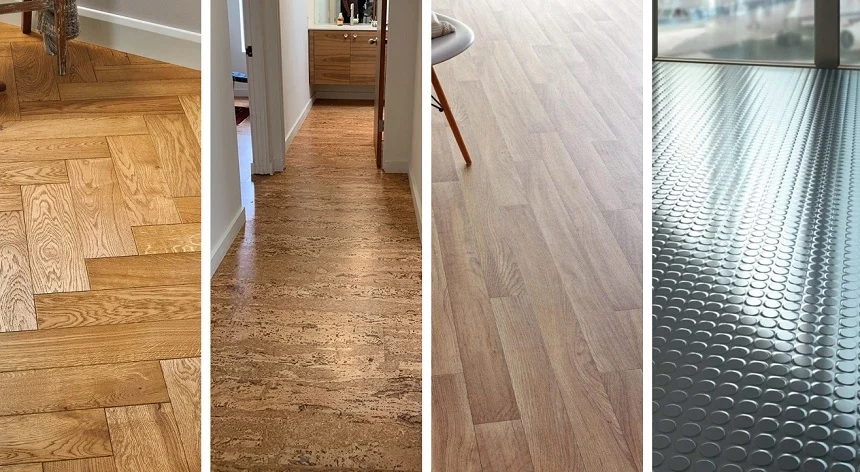
These four materials can all be practical choices. None wins in every room, so it is better to compare their behaviour under wheels than to label one surface universally “best.”
1. Vinyl Flooring
Good-quality sheet vinyl or vinyl plank is often an easy starting point for wheelchair use because the surface is firm, relatively smooth and simple to clean. It also handles kitchen and bathroom moisture better than many natural flooring materials.
Installation quality is the catch. Raised seams, loose planks or poorly finished transitions can create more trouble than the vinyl itself. If the home uses a heavier power chair, check the flooring manufacturer’s guidance on rolling loads, indentation and warranty conditions rather than assuming every vinyl product performs the same way. Readers comparing powered chairs can use our electric wheelchair guide for the equipment side of that decision.
2. Hardwood or Engineered Wood
Wood provides a firm rolling surface and can work very well when it is installed flat and finished with sensible traction. High-gloss finishes may be less forgiving where water, socks or smooth tires are involved, so the finish deserves as much attention as the timber species.
The other consideration is wear. Casters, grit caught in tires and repeated turning can mark some finishes over time. If protecting a hard floor is a priority, our advice on reducing mobility-aid wear on hardwood covers many of the same practical issues.
3. Rubber Flooring
Rubber is tough, water tolerant in many installations and available in surfaces that offer useful traction. That is why it appears so often in gyms, clinics and other high-use spaces. It can be a sensible option for an entrance, exercise area or room where durability matters more than a traditional residential look.
Not every rubber floor rolls the same way. Softer or heavily textured versions may add resistance, and seams still need to stay flat and secure. Samples are useful here: if possible, test the actual wheelchair on the proposed finish before committing to a large area.
4. Cork Flooring
Cork is warmer and quieter underfoot than many hard surfaces, which can make it attractive in living and bedroom areas. It also has some resilience, so the exact construction matters more than it would with a very hard tile or timber floor.
That resilience is also why broad claims about “cork being suitable only for lightweight wheelchairs” are not useful. Different cork products vary in density, finish and resistance to indentation. Check the manufacturer’s suitability for wheeled traffic and the weight of the chair rather than pairing the material with one category of wheelchair. If low chair weight is already part of your selection criteria, see the lightweight wheelchair guide and manual wheelchair comparisons separately.
What About Carpet?
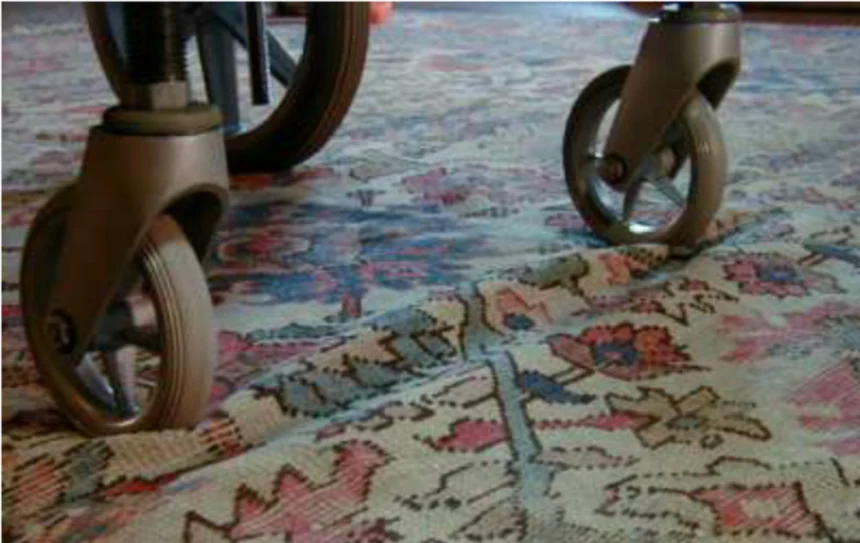
Carpet is not automatically incompatible with wheelchair access. The U.S. Access Board specifically allows carpet on accessible routes when it is securely attached, has a firm backing and has a pile height no greater than 1/2 inch. Thick, cushiony or loose carpet is the bigger problem because it can increase rolling effort and can buckle under wheeled traffic.
For a wheelchair used every day, a low, dense pile is generally easier to manage than plush carpet with a soft underlay. Loose rugs are different again: they can shift, curl at the edges or introduce a small level change, so they deserve particular caution around caster paths.
Floor Transitions Can Matter More Than the Material
A perfectly good floor can become frustrating where it meets another surface. Door tracks, raised trim, loose transition strips and abrupt bathroom thresholds are common pinch points because wheelchair casters are much smaller than the main rear wheels.
Where a small existing threshold cannot be removed, the exported article already contains this Ruedamann Threshold Ramp as one example of a transition aid. The exact height, load rating and fit still need to suit the doorway; an affiliate product should not be treated as a universal accessibility solution.
For U.S. accessibility guidance, the U.S. Access Board’s floor and ground surface guide is the stronger reference for firmness, carpet and changes in level. Local residential building requirements may differ.
Choosing Between the Four
| Flooring | Why it can work | What to check |
|---|---|---|
| Vinyl | Firm, smooth, easy to clean and moisture tolerant | Seams, indentation and rolling-load warranty |
| Wood | Firm rolling surface and residential appearance | Finish traction, scratches and transition strips |
| Rubber | Durable and available with useful traction | Texture, softness, seams and rolling resistance |
| Cork | Warm, quiet and comfortable underfoot | Density, finish, indentation and wheeled-load suitability |
For most homes, vinyl or a well-finished hard floor is the simplest place to start because both provide a predictable rolling surface without deep cushioning. Rubber can be excellent in higher-wear areas, while cork is more dependent on the specific product and installation.
The decision should still follow the person and the chair, not the other way around. A flooring installer can confirm moisture, subfloor and product-warranty issues, while an occupational therapist or other qualified mobility professional can help where wheelchair manoeuvring, transfers or a larger home-accessibility change is involved.